
PRP For Hair loss
All Natural Platelet Rich Plasma (PRP) Therapy, To Reverse And Prevent Hair-loss.
Table of Contents
Platelet Rich Plasma (PRP) In Miami (Aventura)
Miami Aesthetic Institute is the leader in Miami for advanced PRP therapy for hair restoration and facial rejuvenation.
Elite patients choose Miami Aesthetic Institute because we are the only clinic in Miami that is headed by board certified Anti-Aging and Cellular Regenerative Medicine Physician with over 35 years of medical experience.
Our specialty in Cellular Regenerative Medicine allows us to offer our patients advanced PRP, Exosome and cutting edge therapies not available anywhere else.
The regenerative effects of our PRP therapies cannot be overstated, and when combined with our advanced aesthetic procedures, have breathtaking results.
What Is PRP (Platelet Rich Plasma)?
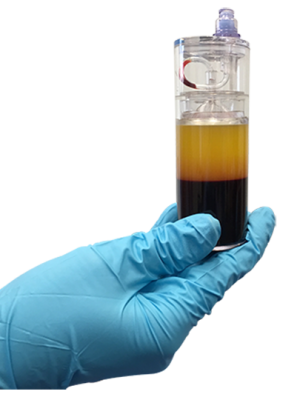
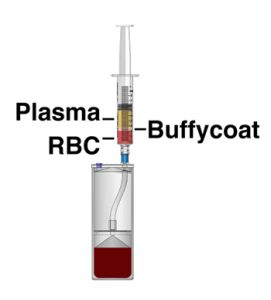
Platelet rich plasma is derived from your own blood and processed to concentrate the levels of platelets.
The resulting product is a highly concentrated sample of your body’s own healing cells.
This liquid is then injected into your body for its healing and growth benefits.
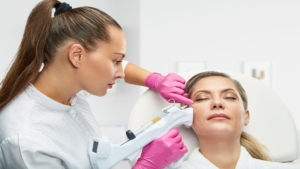
When injected into the face during our Vampire PRP Facial Treatment, or Vivace Microneedling treatments, they kick start the regrowth of collagen and epidermal cells.
PRP is also effective in restoring hair growth by isolating the beneficial signals given out by growth cells.
When PRP is painlessly injected into the scalp using microneedles, it stimulates the regeneration of new hair growth.

PRP For Hair Loss Treatment In Miami
We specialize in non-surgical hair restoration and offer PRP injections using the latest techniques being practiced today.
Our procedures incorporate PRP as well as exosomes, growth factors and micro RNA which rejuvenates cells in the treatment area and stimulates new hair growth.
Our exclusive procedures have been shown to begin hair growth in as little as two to three months, and continues over the course of a year with the peak results after six months of treatment.
How Does A PRP For Hair Loss Treatment Work?
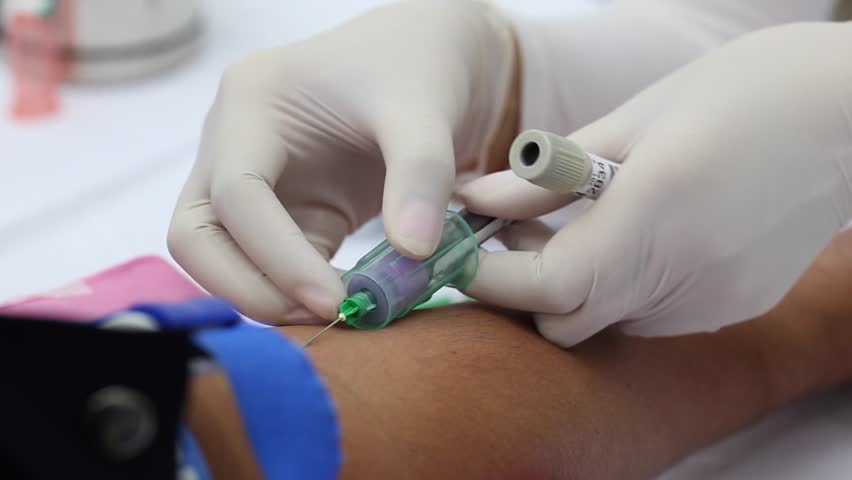
First we start by collecting a blood sample.
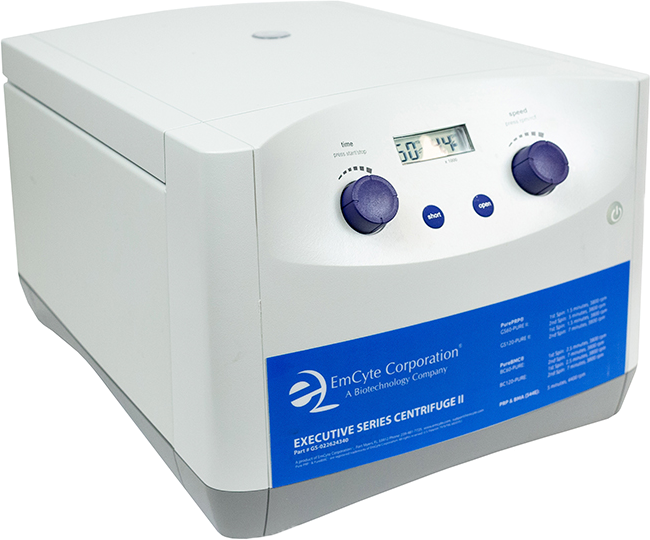
We then process your blood using Emcyte centrifugation and Emcyte PurePRP Kits.
We use industry leading Emcyte PRP processing kits to harvest the highest quality PRP.
By introducing platelets with the administration of PRP, the body’s wound healing and growth mechanisms are stimulated to rejuvenate hair follicles and grow new ones.
PRP Hair Restoration Cost
Cost: $900 – $1200 Per Treatment
The price of PRP Treatments depends on the patient’s needs, areas being treated and biologicals being used. Packages are available.
At Miami Aesthetic Institute, we also add PRP as well as Growth Factors Serum to the treatment.
This procedure is performed by a board certified Anti-Aging Regenerative Medicine Doctor with 35 years of medical experience.
What Happens During a PRP For Hair Loss Treatment
First our Physician will evaluate the treatment area and determine if you would be a good candidate for PRP treatment.
On the day of the treatment, your blood will be drawn to be processed in our in-house lab.
This blood will be placed into a special centrifuge machine designed specifically for producing platelet rich plasma.
The separation and concentration process will take about 15 minutes to produce the platelet rich plasma.
During this time the treatment area is anesthetized with a local anesthetic.
The
concentrated platelet rich plasma will then be injected into the injured area using a sterile procedure and AccuVein guidance to prevent any bruising of the injection sites.
Cryo-therapy is also used on the injection sites in combination with local anesthetic to make the injections virtually painless.
The entire office procedure should take approximately 40 minutes.
The injection sites are gently massaged to encouraged the circulation of PRP in the treatment area.
After the procedure you ca continue with your normal routine.
Why Choose Miami Aesthetic Institute
Miami Aesthetic Institute is a leader in the Aesthetics industry when it comes to specialized PRP procedures.
Headed by Miami’s number one Aesthetic Physician and board certified Anti-Aging and Regenerative Cellular Medicine Doctor with over 35 years of medical experience.
Miami Aesthetic Institute has not only pioneered PRP therapy, we have developed our own patented techniques that use C-PRP, exosomes, growth factors, micro RNA and more.
PRP Frequently Asked Questions.
How is PRP therapy performed?
PRP involves taking blood from a vein in the arm and placing it into a special centrifuge. The platelets are separated from the rest of the components of the blood. The platelets are combined with a special substrate to enhance the effects. This is then injected into the injured or painful area. Once healing takes place, over the course of a few weeks, the pain should lessen.
Is this the same as a cortisone injection?
No. Cortisone injections are a synthetic corticosteroid that are injected in the joints or areas of soft tissue to reduce pain and inflammation.
How do I know if I am a candidate for PRP?
A consultation is required before any treatment may take place. The consultation includes a comprehensive review of your medical or aesthetic concerns, medical history and a thorough examination will be conducted.
Is PRP therapy painful?
While everyone’s pain tolerances vary, patient’s report a range of discomfort from mild to moderate with PRP injections. A normal needle is used to draw blood from a vein in the arm initially and then micro-needles are used to perform the actual injection(s).
How many injections will I need?
This will depend on if you are treating an area for pain management or if you are getting aesthetic PRP treatments.
What are the possible side effects?
As with any type of injection, there is a small risk of infection, injury to blood vessels and risk of bleeding, however we use an AccuVein system that allows the doctor to see and avoid any blood vessels during injection.
What is the cost of PRP therapy?
The cost will depended on your type of treatment (aesthetic or medical), and will also depend on your individual treatment plan.
Read More About PRP Therapy:
How PRP Therapy helps new skin growth.
How PRP Therapy helps new skin growth.In this era where technology is pushing its limit
We Only Use The Highest Quality PRP
PRP For Hair Loss In Miami (Aventura)
Call today to reserve your complementary appointment with our anti-aging doctor who can answer any question you have on PRP therapies.
Frequently Asked Questions
PRP for Hair Loss, also known as Platelet-Rich Plasma therapy, is a non-surgical treatment designed to stimulate natural hair growth using the patient’s own blood. The process begins with drawing a small sample of blood, which is then placed in a centrifuge to separate the platelet-rich plasma from other blood components. This concentrated plasma contains powerful growth factors and proteins that help repair tissues and encourage cellular regeneration.
Once the PRP is prepared, it is injected directly into areas of the scalp experiencing thinning or hair loss. The growth factors in the plasma help improve blood supply to hair follicles, prolong the hair growth cycle, and stimulate dormant follicles to become active again. Over time, this can lead to thicker, healthier, and stronger hair growth.
PRP hair restoration has become increasingly popular because it is minimally invasive, requires little downtime, and uses the body’s natural healing abilities instead of synthetic chemicals or surgery. Many people choose PRP as an alternative or complement to hair transplant procedures and topical hair loss treatments.
The treatment is commonly used for both men and women experiencing androgenetic alopecia, thinning hair, or early-stage hair loss. Results vary from person to person, but many patients notice reduced shedding and improved hair density after several sessions.
The effectiveness of PRP hair treatment depends on several factors, including the cause of hair loss, the patient’s age, overall health, and the severity of thinning. Many clinical studies have shown that PRP can significantly improve hair density, thickness, and hair follicle strength in patients with pattern hair loss.
PRP works best for individuals in the early to moderate stages of hair thinning because the treatment stimulates existing hair follicles rather than creating new ones. Patients with dormant but still viable follicles often experience noticeable improvement after a series of treatments. Some individuals begin seeing reduced hair shedding within the first few months, followed by gradual thickening and regrowth.
The results are not instant because hair growth naturally occurs in cycles. Most providers recommend an initial series of three to four sessions spaced several weeks apart, followed by maintenance treatments every few months. Consistency is important for sustaining long-term results.
Although PRP does not work equally for everyone, many patients consider it an effective non-surgical option for improving hair quality and slowing the progression of hair loss without major side effects or downtime.
Good candidates for PRP for Hair Loss are typically individuals experiencing early-stage hair thinning or androgenetic alopecia, also known as male or female pattern baldness. People who still have active hair follicles tend to respond best because PRP works by stimulating weakened follicles and improving scalp health.
Both men and women can benefit from PRP hair restoration. It is often recommended for patients who notice widening parts, receding hairlines, excessive shedding, or thinning areas on the scalp. Younger individuals and those who seek treatment early usually achieve better outcomes compared to patients with advanced baldness.
Candidates should generally be in good overall health. Certain medical conditions such as blood disorders, autoimmune diseases, active scalp infections, or severe chronic illnesses may make PRP less suitable. Smoking, poor nutrition, and high stress levels can also affect treatment results because these factors influence healing and circulation.
A professional consultation is essential before starting treatment. During the evaluation, the provider can determine whether PRP is likely to be effective based on the pattern of hair loss, scalp condition, and medical history.
The number of PRP hair loss treatments needed varies depending on the severity of hair thinning and the patient’s response to therapy. Most providers recommend beginning with an initial series of three to four sessions spaced approximately four to six weeks apart. This schedule helps stimulate the hair follicles consistently and encourages gradual improvement in hair growth.
After the initial phase, maintenance treatments are usually performed every four to six months to preserve results. Since hair loss is often progressive, ongoing maintenance helps continue stimulating follicles and slowing future thinning.
Patients typically begin noticing reduced shedding after the first few sessions, while visible thickening and increased density may become more noticeable after three to six months. Hair growth takes time, so patience and consistency are important when undergoing PRP therapy.
Some individuals with more advanced thinning may require additional sessions or combination treatments such as medications, supplements, or hair transplant procedures for optimal outcomes.
Most patients tolerate PRP for Hair Loss very well, although some mild discomfort can occur during the injection process. Before treatment begins, many providers apply a topical numbing cream to the scalp to minimize sensitivity and improve comfort.
Patients often describe the injections as feeling like small pinches or slight pressure sensations. Areas with thinner skin or active inflammation may feel more sensitive than others. The entire procedure is relatively quick, typically lasting around 30 to 60 minutes from start to finish.
After treatment, the scalp may feel mildly tender, tight, or sore for a day or two. Some patients experience temporary redness, swelling, or slight bruising around injection sites, but these side effects usually resolve quickly without significant downtime.
Compared to surgical hair restoration procedures, PRP is considered far less invasive and much easier to tolerate. Most individuals return to normal daily activities shortly after their appointment.
Results from PRP hair restoration develop gradually because hair growth occurs in natural cycles. Most patients do not see immediate changes after the first treatment. Instead, improvements typically become noticeable over the course of several months as the hair follicles respond to the growth factors in the plasma.
One of the earliest signs of progress is often reduced hair shedding, which may occur within the first six to eight weeks. Increased thickness, improved texture, and visible regrowth generally become more noticeable after three to six months of consistent treatment.
The full benefits of PRP therapy usually appear after completing the recommended treatment series. Continued maintenance sessions help sustain and enhance the results over time. Factors such as age, genetics, stress levels, hormone balance, and overall scalp health can influence how quickly and effectively patients respond.
Since hair growth is a slow biological process, realistic expectations and patience are important when starting PRP therapy for hair loss.
Yes, PRP hair treatment is often combined with other hair restoration therapies to improve overall results. Many providers recommend pairing PRP with treatments such as minoxidil, finasteride, low-level laser therapy, nutritional supplements, or hair transplant procedures.
Combining treatments can address hair loss from multiple angles. For example, medications may help reduce hormonal hair loss while PRP stimulates follicle activity and improves scalp circulation. Patients who undergo hair transplants sometimes use PRP to support healing and encourage stronger graft growth after surgery.
Lifestyle changes such as stress management, balanced nutrition, and proper scalp care can also enhance treatment effectiveness. Since hair loss can have multiple contributing factors, combination approaches are often more successful than relying on a single treatment alone.
A customized treatment plan created by an experienced provider can help determine the best combination strategy based on the individual’s hair loss pattern and long-term goals.
Because PRP for Hair Loss uses the patient’s own blood, the risk of serious side effects or allergic reactions is very low. Most side effects are mild, temporary, and related to the injection process itself rather than the plasma.
Common side effects may include mild redness, tenderness, swelling, bruising, or slight soreness on the scalp after treatment. These symptoms usually resolve within a few days. Some individuals may experience temporary headaches or scalp sensitivity immediately after the procedure.
Serious complications are rare when PRP is performed by a qualified medical professional using sterile techniques. Infection risk is minimal but still possible if proper hygiene protocols are not followed.
Patients should follow all aftercare instructions carefully, including avoiding excessive sweating, harsh hair products, or aggressive scalp manipulation for a short period after treatment to support healing and minimize irritation.
The cost of PRP for Hair Loss varies depending on factors such as clinic location, provider experience, treatment frequency, and the extent of hair thinning being treated. On average, a single PRP session may range from $500 to $1,500 in many areas.
Since multiple sessions are typically recommended, total treatment costs can add up over time. Many clinics offer package pricing for a series of treatments, which may reduce the overall cost per session. Maintenance appointments should also be considered when planning a long-term budget for PRP therapy.
PRP is usually classified as a cosmetic treatment, meaning it is not commonly covered by health insurance. Choosing a reputable provider with experience in hair restoration is important because treatment quality can significantly affect results.
While PRP may require an upfront investment, many patients value the treatment for its natural approach, minimal downtime, and ability to improve hair density without surgery.
PRP for Hair Loss has gained widespread popularity because it offers a natural, minimally invasive solution for thinning hair without the need for surgery. Many patients are drawn to the idea of using their body’s own growth factors to stimulate healthier hair growth rather than relying solely on medications or invasive procedures.
The treatment appeals to both men and women looking for early intervention before hair loss becomes severe. Since PRP requires little downtime, busy individuals can often return to work and normal activities immediately after their appointments.
Another reason for its popularity is its versatility. PRP can be used alone or combined with other hair restoration treatments, making it adaptable to different stages and causes of hair loss. Advances in regenerative medicine and increasing awareness through social media and celebrity endorsements have also contributed to its growing demand.
As more clinical studies continue to support the effectiveness of PRP therapy for certain types of hair loss, it remains one of the fastest-growing non-surgical hair restoration treatments in the aesthetic industry.